A Heartfelt Moment on Britain’s Got Talent
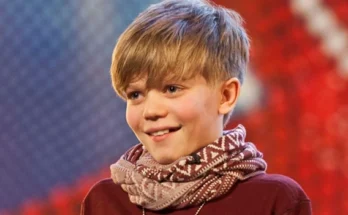
At just sixteen years old, Harry Gardner took the stage of Britain’s Got Talent with a blend of excitement and apprehension. Yet, what transpired was truly extraordinary. Rather than delivering an elaborate performance filled with dazzling theatrics, Harry presented an original composition—a tender ode dedicated to his cherished grandmother. The moment he opened his mouth to speak, his modesty was evident, but more striking was the depth of emotion that resonated in every note and lyric. His humble introduction set the tone, but the feelings that emerged transformed the entire venue into a common ground of affection, remembrance, and optimism.
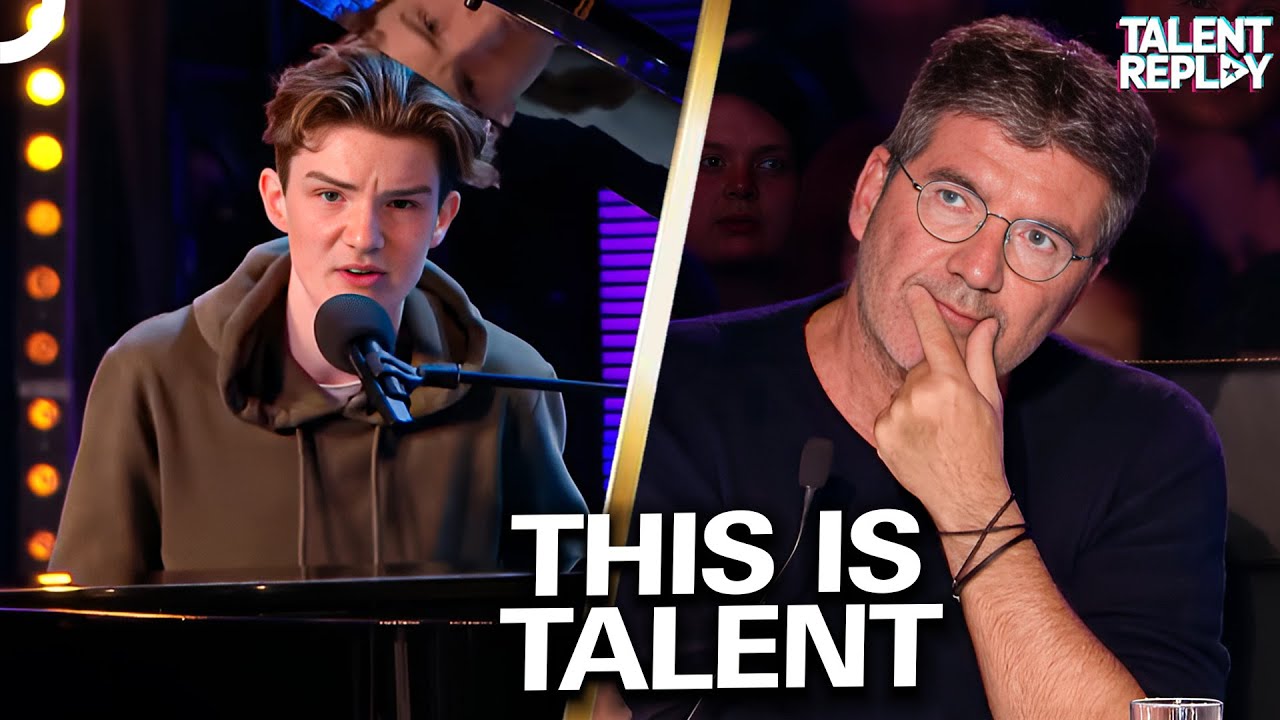
Harry’s delivery was both delicate and poignant, beginning with a soft piano tune that effortlessly captivated the audience. As he began to sing, the authenticity and vulnerability in his voice became undeniable. The lyrics were deeply personal, representing an unwavering affection for his grandmother, who had been a beacon of support throughout his life. Titled “Not Alone,” the song illustrated their bond—an unbreakable link that neither distance nor time could sever. The verses painted a heartfelt picture of a grandson’s appreciation and loyalty, encapsulating universal sentiments of affection, grief, and longing, touching the hearts of all present.
“Music has the remarkable ability to connect and heal.”
The atmosphere in the studio shifted to a reverent silence, as all eyes focused intently on Harry. The duality of his voice—both fragile and commanding—evoked an array of emotions, resonating deeply within the hearts of everyone attending. This moment wasn’t about perfect pitch; it celebrated sincere storytelling—a courageous display of his spirit shared without fear of scrutiny. His straightforward yet potent lyrics distilled his sentiments and experiences, ensuring no soul remained untouched. Tears glimmered in Amanda Holden’s eyes, while other judges fought back their own emotions, overwhelmed by the genuineness of Harry’s performance, which filled the room with a breathtaking authenticity.
The audience responded with a wave of heartfelt applause and a shared emotional reverence, clearly acknowledging Harry’s bravery in presenting such a personal snippet of his life. His performance distinguished itself not through spectacle, but through its rooted sincerity. It reminded everyone of the extraordinary power of music to express emotions—love, sorrow, and hope—in ways mere words cannot.
Harry’s bravery in delivering such an emotionally charged song transcended mere entertainment. It was a demonstration of true artistry—storytelling forged from heartfelt truths and genuine emotion. His audition shone brightly as a testament to authenticity, encouraging others to embrace their vulnerabilities and share their narratives with courage. This moment proved that the most moving performances often stem from simplicity, delivered with pure emotion and love.
Reactions outside the studio were swift and overwhelmingly positive. Various media celebrated Harry as a gifted young artist whose emotional depth belied his age, commending his ability to evoke empathy and admiration through his raw exposure. Fans took to social media platforms, sharing how deeply they were touched by his courage and how his song resonated, highlighting the enduring bond of love that transcends words and time. His story emerged as a symbol of resilience and emotional depth, affirming that authenticity shines with the brightest light.
Today, Harry Gardner’s rendition of “Not Alone” stands as one of the most emotionally impactful auditions in Britain’s Got Talent history. His performance was more than just singing; it was about conveying love and remembrance through melody. Every lyric and note served as a testament to his deep affection for his grandmother—an unwavering love that resonated across the nation. In that fleeting moment, Harry transformed his song into a universal message about the significance of family, connection, and the imperative of sharing one’s truth, regardless of age.